 Fire & EMS Leader Pro The job of old firefighters is to teach young firefighters how to become old firefighters!
By: Robert Avsec, Executive Fire Officer
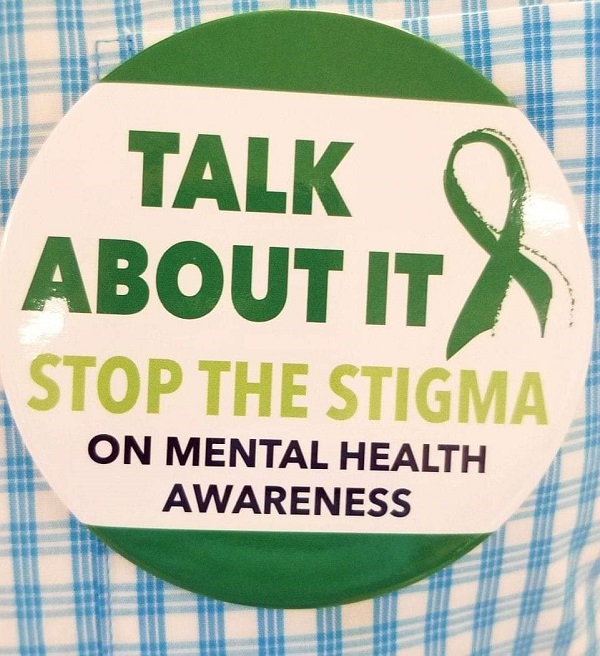 An estimated 200 firefighters die by suicide each year. Maybe that’s accurate. Maybe it isn’t.
Show me the data.
The uncomfortable truth is that we don’t know. Organizations like the Firefighter Behavioral Health Alliance (FBHA) maintain the best available data, but much of it comes from news reports and voluntary notifications. We often know who, when, where, and how.
What we don’t know is why. And until we understand why, we’re trying to solve a problem we don’t fully understand.
Data Drives Fire Prevention Efforts
When a fire occurs, we investigate it.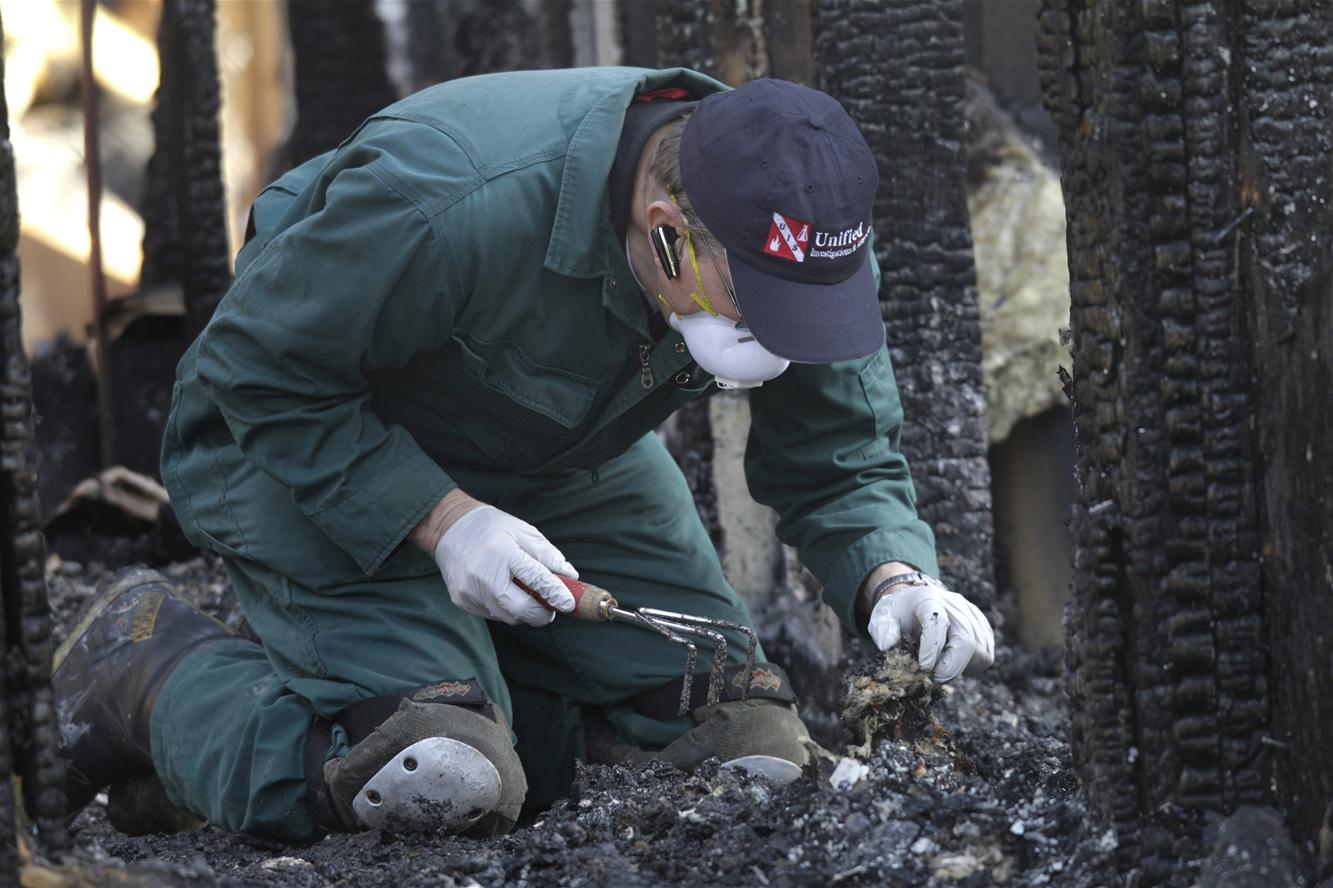
Was it arson? Human error? A product defect? A code violation?
We investigate because identifying causes helps prevent future tragedies. Those investigations have driven changes in building codes, product design, firefighter tactics, and public education. Why should firefighter suicide be any different?
Law Enforcement Is Already Doing It
In 2022, the FBI launched the Law Enforcement Suicide Data Collection, gathering information about suicides and suicide attempts among law enforcement personnel. The goal is simple: collect data, identify trends, and improve prevention.
The fire service should be doing the same.
Stop Guessing. Start Learning.
Imagine if every firefighter suicide received the same level of investigation we devote to line-of-duty deaths or significant fires:
- Not to assign blame.
- To identify patterns.
- To understand contributing factors.
- To learn what warning signs were missed and what interventions might have helped.
One evidence-based tool is the psychological autopsy, a structured process used to reconstruct a person’s mental, emotional, and occupational circumstances before death. By examining factors such as mental health history, life stressors, relationships, and workplace experiences, forensic psychologists (i.e., investigators) can develop a clearer understanding of what contributed to the tragedy.
No single case provides all the answers. Hundreds of cases might.
The Bottom Line
The fire service prides itself on being evidence-driven. We investigate fires to prevent the next one. We investigate accidents to prevent the next injury. We should apply that same commitment to firefighter suicide.
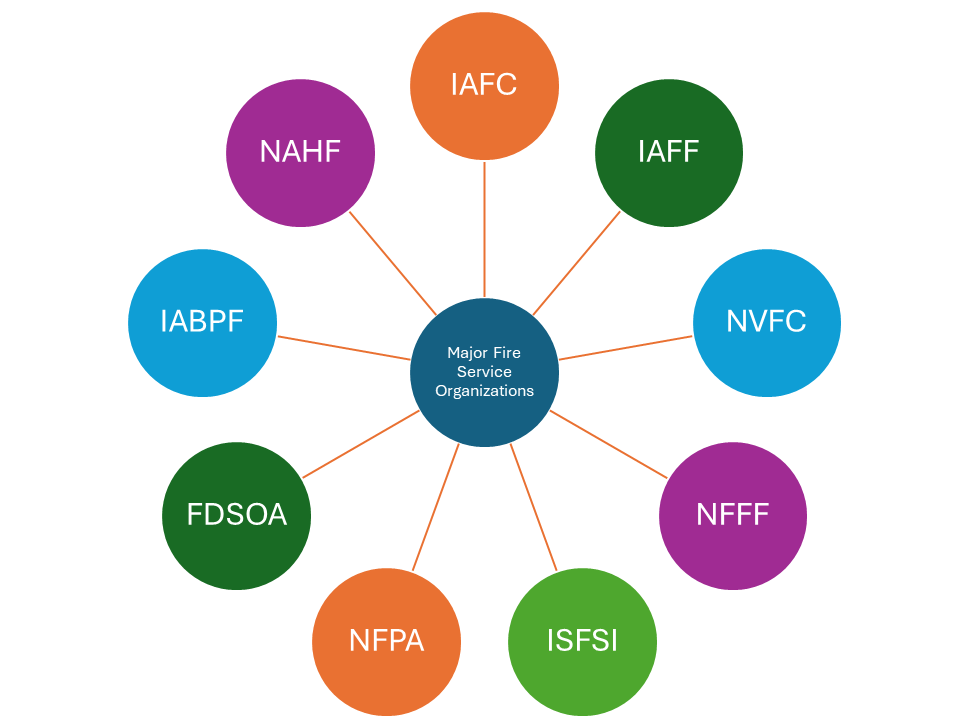
The Major Fire Service Organizations (Clockwise from the top) International Association of Fire Chiefs, International Association of Fire Fighters, National Volunteer Fire Council, National Fallen Firefighters Foundation, International Society of Fire Service Instructors, National Fire Protection Association, Fire Department Safety Officers Association, International Association of Black Professional Firefighters, and National Association of Hispanic Firefighters.
Because until we systematically collect and analyze the data, we’re left with assumptions, anecdotes, and guesses.
And firefighters will continue dying while we struggle to answer the most important question:
Why?
The time for awareness campaigns alone has passed. The fire service needs a national commitment to studying firefighter suicide with the same rigor we bring to line-of-duty deaths, firefighter injuries, and fire investigations.
The U.S. Fire Administration, IAFC, IAFF, NVFC, NFFF, and other major fire service organizations should come together to establish a standardized national firefighter suicide reporting and review system. Every firefighter suicide should be examined, every lesson captured, and every data point used to improve prevention efforts.
We cannot prevent what we refuse to investigate.
If we truly believe that every firefighter life matters, then we must stop guessing, start learning, and commit to finding answers.
Not next year. Not after another study. Not after another funeral.

