 Fire & EMS Leader Pro The job of old firefighters is to teach young firefighters how to become old firefighters!
By: Robert Avsec, Executive Fire Officer
Many U.S. fire and EMS organizations continue to use some variation of the 24-hour shift to provide around-the-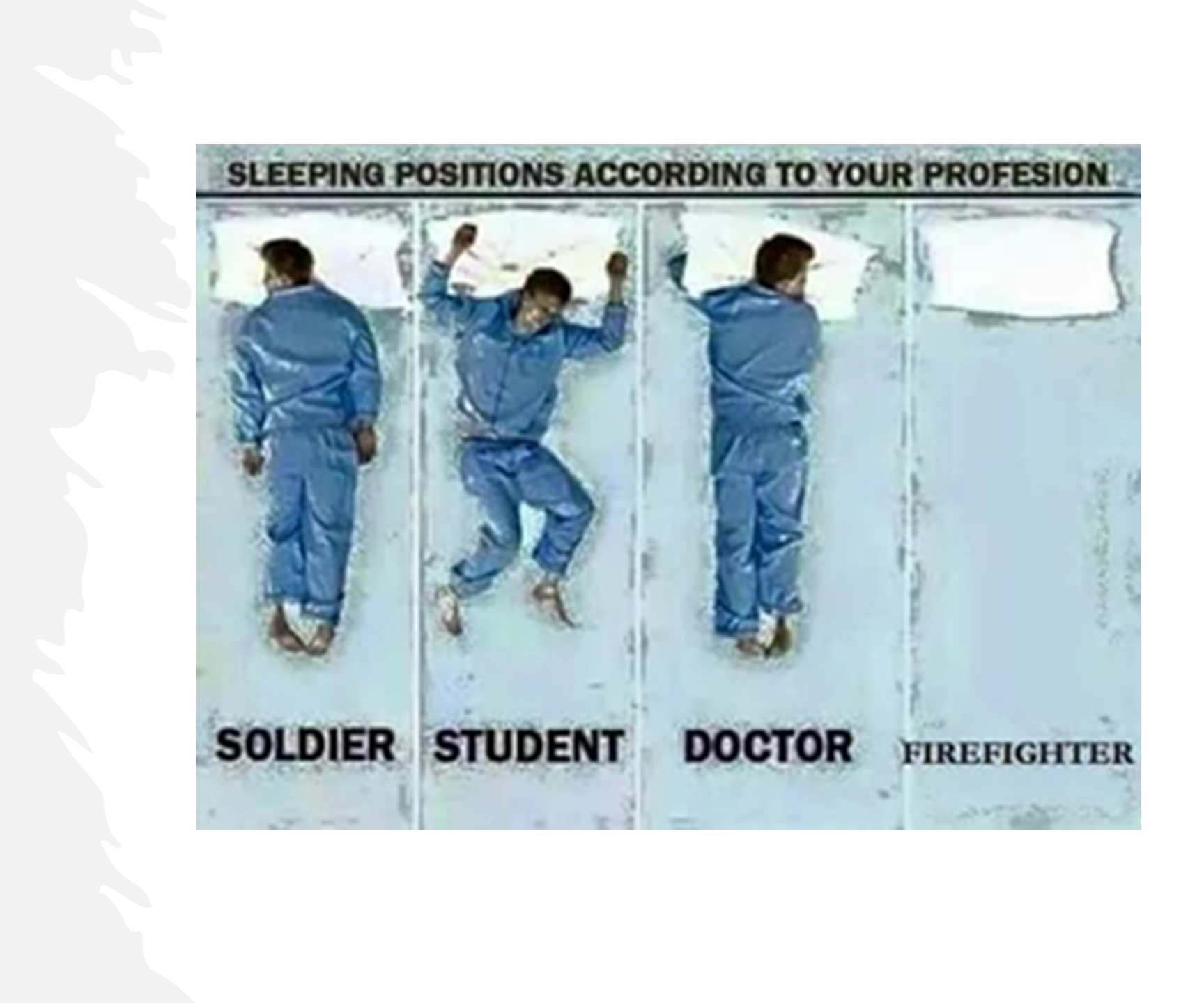 clock staffing. For decades, these schedules have been popular among employees because they offer extended time off and flexibility for family life, commuting, and secondary employment.
However, growing research on fatigue and sleep deprivation is causing both labor and management to reexamine the long-term effects of extended shifts on firefighters, EMTs, and paramedics.
Today’s concerns extend beyond simple tiredness and include:
- Employee and member safety
- Patient care quality
- Emergency vehicle operations
- Decision-making and situational awareness
- Cardiovascular and metabolic health
- Mental health and resilience
- Organizational liability and risk management
- Recruitment and retention of younger personnel who may place greater value on work-life balance
What We Know About Sleep Deprivation
The science of sleep has advanced significantly over the past two decades. Research consistently shows that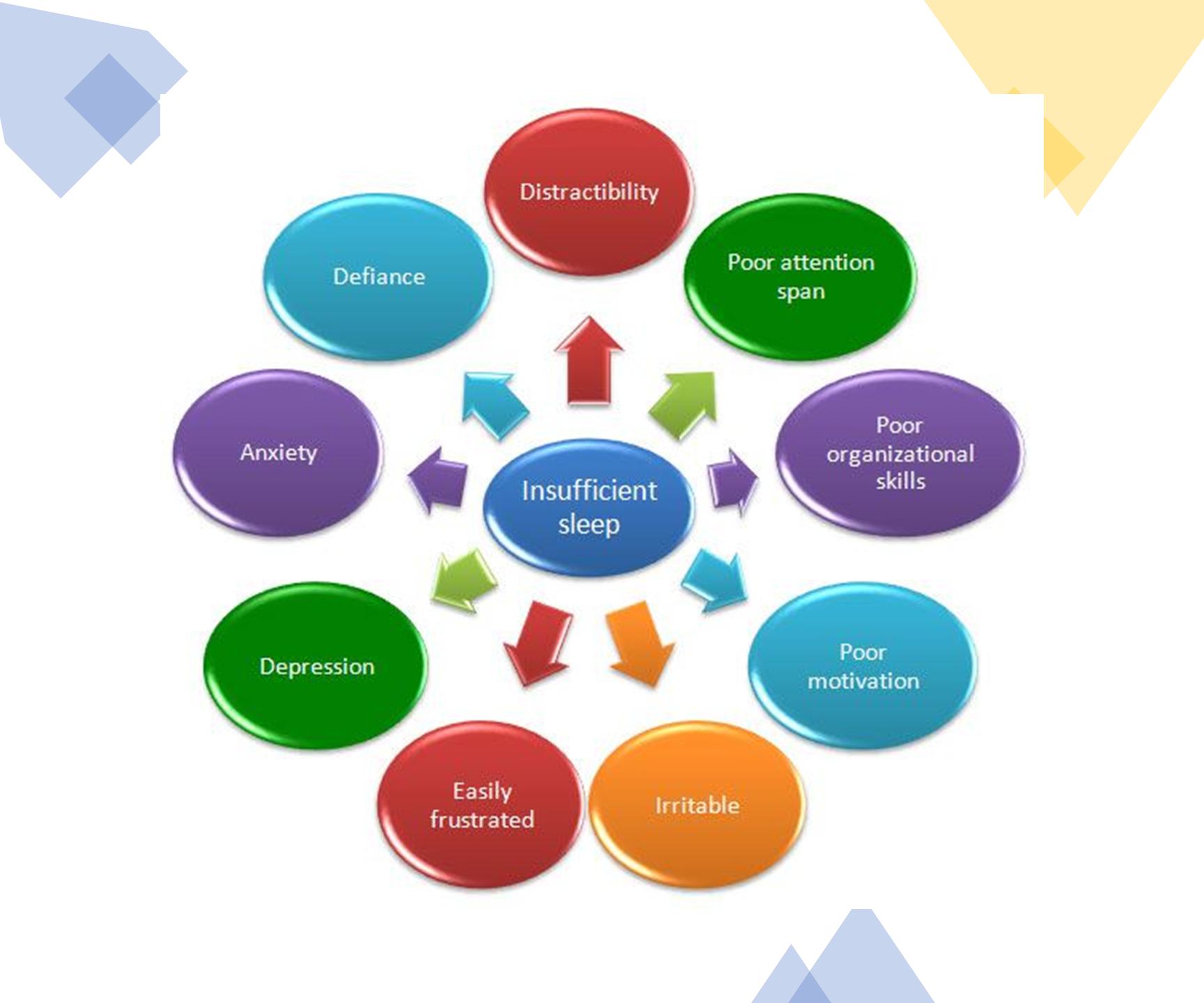 inadequate sleep negatively affects both physical health and cognitive performance.
Sleep deprivation has been linked to:
- Increased risk of hypertension, heart disease, obesity, and Type 2 diabetes
- Impaired immune system function
- Increased rates of anxiety, depression, and burnout
- Slower reaction times
- Reduced memory and concentration
- Poor judgment and decision-making
- Increased risk-taking behavior
- Increased workplace injuries and vehicle accidents
Researchers have repeatedly demonstrated that performance impairment from prolonged wakefulness can resemble that of alcohol intoxication. The result is reduced vigilance, slower reaction times, and diminished situational awareness, all of which are critical abilities for emergency responders.
What Recent Research Shows
Recent studies focusing specifically on firefighters and EMS clinicians have reinforced earlier findings.
A 2025 study involving EMS and fire personnel from agencies across the United States found that participants averaged approximately six hours of sleep before a shift and only about three to four hours of sleep while working longer shifts. The study also documented increasing fatigue, sleepiness, and difficulty concen trating as shifts progressed [1].
A systematic review published in 2025 examining more than 40 studies involving emergency first responders concluded that sleep deprivation remains one of the primary contributors to occupational fatigue. The review linked fatigue with slower reaction times, decreased cognitive performance, communication errors, and increased injury risk [2].
The International Association of Fire Fighters recently highlighted research showing that many firefighters experience fragmented sleep and chronic fatigue. Sleep disruption associated with shift work and obtaining fewer than six hours of sleep per night has been associated with a variety of adverse health outcomes and impaired job performance [3].
Why This Matters in EMS
Consider a paramedic working a 24-hour shift.
If that individual wakes at 5:30 a.m. to prepare for an 8 a.m. tour and then responds to calls throughout the day and night, they may be required to make life-critical decisions after being awake for nearly 20 hours.
Those decisions may involve:
- Medication administration
- Airway management
- Cardiac arrest interventions
- Trauma triage
- Vehicle operation under emergency conditions
Fatigue affects every one of these activities.
As EMS call volumes continue to increase across many communities, uninterrupted sleep during a 24-hour shift becomes increasingly rare. What was once considered a manageable schedule in lower-volume systems may present a significantly different risk profile in today’s environment.
Why This Matters in the Fire Service
Firefighters face many of the same fatigue-related risks.
Sleep disruption affects:
- Emergency response driving
- Fireground decision-making
- Apparatus operations
- Incident command functions
- Training performance
- Physical recovery after strenuous activity
Researchers are also paying greater attention to the relationship between chronic sleep disruption and long-term firefighter health, including cardiovascular disease and behavioral health concerns.
Recognizing these concerns, organizations such as the International Association of Fire Chiefs (IAFC) and the International Association of Fire Fighters (IAFF) continue to provide educational resources and support ongoing research into fatigue mitigation, sleep hygiene, and shift-work practices [4] [5].
New Evidence: Fatigue Remains a Significant EMS Safety Concern
Recent research suggests that fatigue continues to be a widespread issue throughout EMS. A 2023 national study reported that more than half of U.S. EMS clinicians working shifts experience poor sleep quality, fatigue, and inadequate recovery between shifts. Researchers noted that workplace fatigue affects greater than half of EMS clinician first responders and that approximately half report poor sleep quality and insufficient sleep [6].
Federal and national EMS organizations have also continued to identify fatigue as a significant operational risk. The National EMS Advisory Council has warned that EMS providers face increased fatigue risks due to shift work, unpredictable call volumes, multiple-job employment, occupational stress, burnout, and rising service demands. The advisory noted that fatigue and poor sleep are associated with impaired attention, reduced reaction time, diminished cognitive performance, and poorer safety outcomes [7].
The National Association of State EMS Officials (NASEMSO), working with the National Highway Traffic Safety Administration (NHTSA), has gone so far as to develop evidence-based fatigue risk management guidelines for EMS agencies. Among the recommendations are limiting shifts to less than 24 hours when possible, providing opportunities for rest and napping, and actively monitoring fatigue levels among personnel [8] [9].
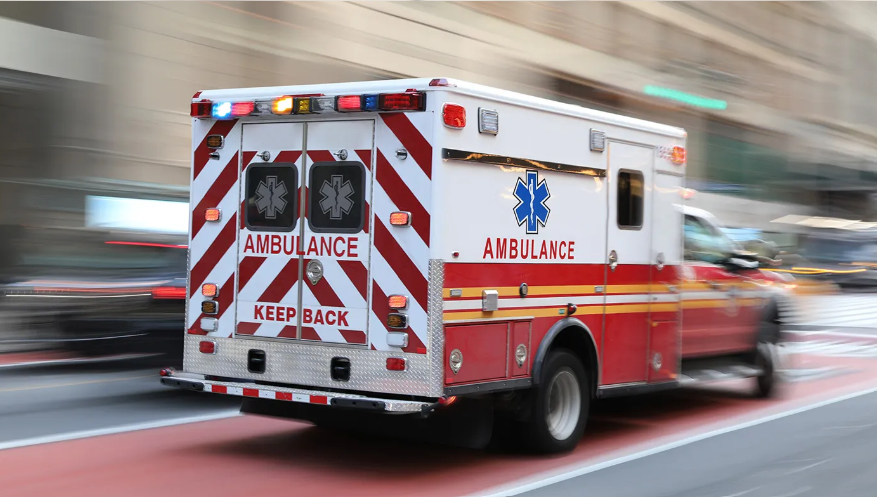
Fatigue also has serious implications for ambulance operations. NHTSA’s analysis of 173 fatal ground ambulance crashes occurring between 2012 and 2018 found that nearly half of the fatal crashes occurred during emergency operations and that driver error was identified in more than 90% of the detailed crash investigations reviewed. While fatigue is only one factor among many that contribute to driver error, these findings reinforce the importance of ensuring personnel are alert and capable of safely operating emergency vehicles [10].
Perhaps most concerning is a 2025 study of EMS and fire personnel from agencies across the United States that found clinicians averaged only 3.4 hours of sleep during longer shifts and experienced increasing fatigue, sleepiness, and difficulty concentrating as shifts progressed [11].
The Question We Must Continue to Ask
The debate over 24-hour shifts is unlikely to disappear anytime soon. Many firefighters and EMS personnel strongly prefer them, and many departments depend on them for operational and financial reasons.
The question, however, remains the same as it was years ago:
Can organizations continue to support work schedules that may increase fatigue-related risks to employees and the public?
As the evidence surrounding sleep deprivation grows stronger, fire and EMS leaders must carefully balance tradition, staffing realities, employee preferences, and public safety.
Before a plaintiff’s attorney asks whether fatigue contributed to a bad outcome, we should already be asking that question ourselves.
References
- Patterson, P. D., Martin, S. E., MacAllister, S. A., Weaver, M. D., & Patterson, C. G. (2025). Variations in Sleep, Fatigue, and Difficulty with Concentration Among Emergency Medical Services Clinicians During Shifts of Different Durations. International Journal of Environmental Research and Public Health, 22(4), 573. <Available Online> https://doi.org/10.3390/ijerph22040573
- Shaul, R. (2025). Research Review: Sleep Deprivation Impact 85% of First Responders During 24-Hour Shifts. Mountain Tactical Institute. <Available Online> https://mtntactical.com/research/research-review-sleep-deprivation-impact-85-of-first-responders-during-24-hour-shifts/
- IAFF. (2025). Feeling sleep deprived? Help is on the horizon. IAFF All News. <Available Online> https://www.iaff.org/news/feeling-sleep-deprived-help-is-on-the-horizon/
- Ibid.
- Hoey. I. (2025). National study investigates sleep deprivation and firefighter health in the US. IFSJ International Fire & Safety Journal. <Available Online> https://internationalfireandsafetyjournal.com/firefighter-health-sleep-study-us/
- Patterson, P. D., l , Martin, S., Brassil, B., Hsiao, W., Weaver, M., Okerman, T, Seitz, S., Patterson, C., Robinson, K. (2022). The Emergency Medical Services Sleep Health Study: A cluster-randomized trial. Sleep Health: Journal of the National Sleep Foundation. <Available Online> https://www.sleephealthjournal.org/article/S2352-7218%2822%2900181-4/fulltext
- The National EMS Advisory Council. (2013). Fatigue in Emergency Medical Services. NEMSAC Final Advisory on Fatigue in EMS—Final Advisory. <Available Online> https://www.ems.gov/assets/NEMSAC_Final_Advisory_Fatigue_in_EMS.pdf
- The National Association of State Emergency Medical Services Officials. (n.d.). Developing Evidence-Based Fatigue Risk Management Guidelines for EMS. <Available Online> https://nasemso.org/content.aspx?page_id=22&module_id=706500
- Patterson, P. D., and Robinson, K. (2019). Fatigue in emergency medical services systems (Report No. DOT HS 812 767). Washington, DC: National Highway Traffic Safety Administration. <Available Online> https://www.ems.gov/assets/NHTSA_Fatigue_in_EMS_Systems_Aug_2019.pdf
- United States Fire Administration. (2023). NHTSA Publishes an Analysis of 7 Years of National Ambulance Crash Data. <Available Online> https://www.usfa.fema.gov/blog/nhtsa-publishes-data-on-ground-ambulance-crashes/
- Patterson, P. D., Martin, S. E., MacAllister, S. A., Weaver, M. D., & Patterson, C. G. (2025). Variations in Sleep, Fatigue, and Difficulty with Concentration Among Emergency Medical Services Clinicians During Shifts of Different Durations. International Journal of Environmental Research and Public Health, 22(4), 573. <Available Online> https://doi.org/10.3390/ijerph22040573

