Fire & EMS Leader Pro The job of old firefighters is to teach young firefighters how to become old firefighters!
Why Fire Service Leaders Need a Dedicated Field of Fire Psychology
By: Robert Avsec, Executive Fire Officer and FSPA Operations Chief
Most fire service leaders in the U.S. and Canada understand better than anyone that organizational readiness, operational effectiveness, and firefighter well being are inseparable. Yet the national infrastructure supporting psychological services for firefighters in both countries is decades behind where it needs to be.
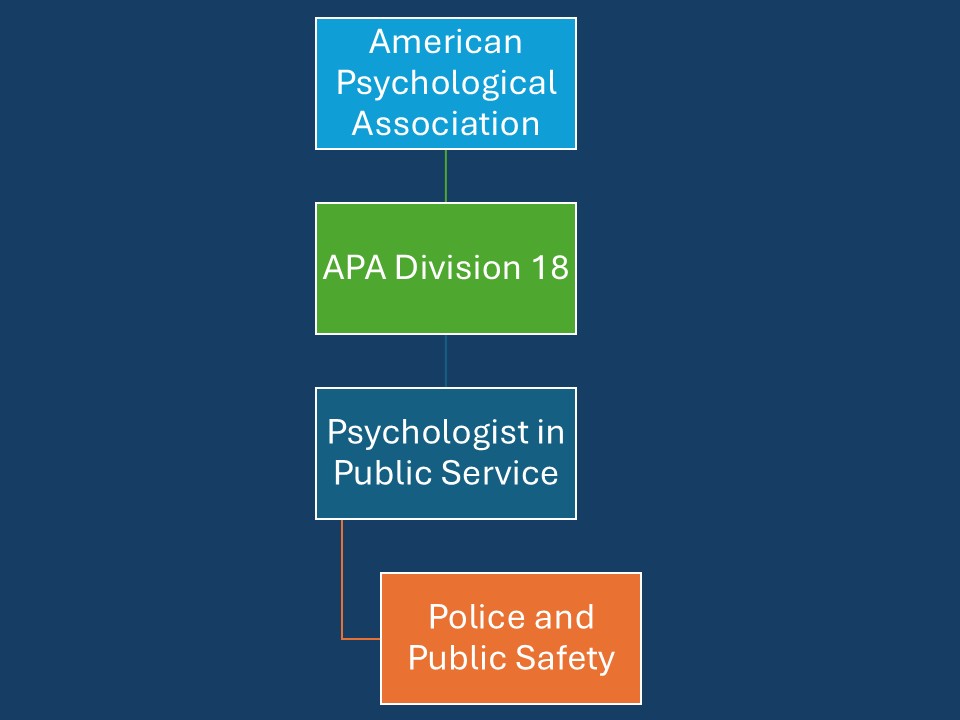
Unlike law enforcement—which is well represented under the American Psychological Association’s Division 18—the fire service has no formally recognized psychological specialty within APA. The fire service is supposed to be represented under a Division 18 Section, Police and Public Safety, but without fire psychology being recognized as a distinct field of psychology the section has a heavy law enforcement slant.
The Fire Service Psychology Association (FSPA) has been working to change that since its founding in 2017. For chiefs and command level leaders, FSPA represents more than a professional organization; it is a movement to build the psychological framework the fire service needs to operate safely and sustainably.
Below is what sets FSPA apart—and why it matters strategically to your department.
FSPA Is Defining a New Professional Field the APA Has Not Yet Built
Firefighters face a unique combination of operational pressures: shift based communal living, high risk tasks, cumulative trauma load, moral injury, and the weight of command decisions. These factors simply do not align with existing psychological divisions within APA.
FSPA is leading the effort to create the standards, competencies, and language necessary to formally add “Fire” to APA’s Division 18—an initiative reflected in national objectives discussed during FSPA’s annual conference last October in Pearland, Texas.
For fire service leaders, this means your future mental health clinicians and psychologists would have a pathway to become fire competent, not just first responder aware.
FSPA Centers Its Work on What Matters Most to Chiefs: Operational Readiness & Resilience
The fire service doesn’t need theory for theory’s sake—it needs solutions that strengthen crews and improve decision making under pressure. FSPA’s work aligns directly with this, prioritizing:
• Peer support team structure and oversight
• Integrating Trauma Risk Management (TRiM) into operations
• Building psychologically safe training environments
• Addressing moral injury with fire specific frameworks
• Understanding the human factors that affect line of duty outcomes
These initiatives give leaders clearer ways to reduce preventable injuries, enhance crew cohesion, and strengthen organizational culture.
FSPA Prioritizes Leadership Development and Fireground Relevant Education
FSPA is not only training clinicians—it is educating fire service leaders. The FSPA Fire Service Leader of the Year Award—and the scoring sheet used to select the recipient— highlight the importance of leaders contributing to behavioral health initiatives and expanding the body of knowledge in fire psychology. It underscores leadership responsibilities such as:
• Developing and managing behavioral health programs
• Providing high quality mental and behavioral health training
• Advancing psychological literacy within the fire service
This means FSPA isn’t just supporting the fire service—it’s raising the expectations of leadership excellence across it.
FSPA’s Agenda Reflects What Fire Service Leaders Say They Need
Feedback from FSPA’s annual conferences and membership discussions consistently show that fire service leaders want:
• Practical application, not theoretical abstraction
• Better ways to hire and evaluate psychologists
• Ethical clarity for peer support programs
• Research that informs policy and staffing decisions
• Training that prepares personnel before crises occur
FSPA is deliberately building its programming around what fire chiefs and department leaders say is missing.
FSPA Is Building a National Voice to Support Your Strategic Goals
FSPA’s macro goals—such as petitioning the International Association of Fire Chiefs (IAFC) for a Psychological Services Section and establishing Fire Psychology within APA Division 18—are not academic. They are national level initiatives to ensure:
• Fire departments have access to qualified providers
• Behavioral health becomes integrated into fire service standards
• Departments receive better guidance, staffing models, and support structures
For leaders, this means less guessing, less piecemealing, and more evidence based frameworks.
Conclusion for Fire Service Leaders
FSPA’s greatest differentiator is its mission: to build a field that does not yet exist but is critically needed for the future of the fire service. By defining fire psychology, establishing standards, developing policy frameworks, and advocating nationally, FSPA is delivering the infrastructure that fire chiefs and command staff have long lacked.
For fire service leaders, FSPA is more than an organization—it is an investment in operational resilience, cultural clarity, and the long term health of your firefighters.